
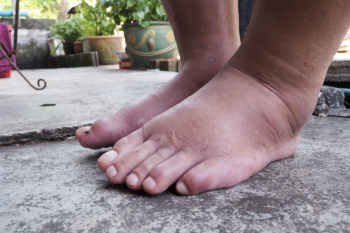
Swollen feet develop when extra fluid collects in the tissues or inflammation follows an injury. Shoes might feel tighter, and the skin may look stretched or shiny. Some people notice swelling after a long workday, while others develop it suddenly. Standing or sitting for extended periods of time allows fluid to collect in the lower legs and feet. Long trips create similar conditions because the leg muscles move less. Pregnancy also increases fluid retention and places pressure on veins that return blood toward the heart. A podiatrist evaluates the pattern of swelling to help identify its source.
Injuries are another reason feet swell. An ankle sprain damages the bands that support the joint, while a fracture breaks a bone. Both trigger inflammation that produces swelling and pain. Repeated stress also irritates tendons, the strong tissues that connect muscles to bones. Arthritis causes swelling around affected joints and sometimes limits movement. Gout, a type of arthritis caused by crystal buildup in a joint, often affects the big toe. An infected wound also produces swelling, sometimes with warmth or redness. A podiatrist examines these changes and checks for injuries or infection.
Swelling sometimes points to a problem beyond the foot itself. Weak valves in leg veins allow blood to collect instead of moving efficiently toward the heart. Problems with the body's fluid drainage system also cause persistent puffiness. Heart, kidney, or liver disease affects fluid balance and sometimes leads to swelling in both feet. Certain medicines contribute to fluid retention as a side effect. A podiatrist reviews the patient's health history and current prescriptions when investigating unexplained swelling. The examination includes checking skin condition, circulation, and sensation. Depending on the findings, the podiatrist orders imaging or coordinates further testing with another medical professional.
Treatment depends on the cause of the swelling. A podiatrist treats foot injuries with appropriate support or immobilization, which limits movement while tissues heal. Care also includes treating wounds and addressing joint problems. For swelling related to vein problems, the podiatrist assesses circulation before recommending medical compression. Referral helps patients receive care for conditions affecting other organs. Sudden, unexplained swelling in one foot or leg requires urgent medical assessment because a blood clot is possible. Redness with fever also warrants urgent attention. Swelling accompanied by chest pain or shortness of breath requires emergency care. If you have swollen feet or ankles, it is suggested that you schedule an appointment with a podiatrist for a diagnosis and appropriate treatment.
Swollen feet can be a sign of an underlying condition. If you have any concerns, contact Massimo Pietrantoni, DPM of Rochester Podiatry, LLP. Our doctor can provide the care you need to keep you pain-free and on your feet.
Swollen feet are a common ailment among pregnant women and people who stand or sit for extended periods. Aging may increase the possibility of swollen feet and patients who are obese often notice when their feet are swelling too. There may be medical reasons why swollen feet occur:
Swollen feet can also be caused by bone and tendon conditions, including fractures, arthritis, and tendinitis. Additionally, there may be skin and toenail conditions and an infection may cause the feet to swell. Patients who take medicine to treat high blood pressure may be prone to getting swollen feet.
Many patients elevate their feet to help relieve the swelling and this is generally a temporary remedy. When a podiatrist is consulted the reason behind the swelling can be uncovered and subsequently treated.
If you have any questions please contact one of our offices located in Brighton, NY . We offer the newest diagnostic and treatment technologies for all your foot and ankle needs.

Rain or shine, snow or sleet, Custom Orthotics have your feet covered! As the seasons change, ensure your steps remain comfortable and supported. Custom Orthotics adapt to your footwear, from summer sandals to winter boots, providing consistent relief and alignment. Don't let the changing weather dictate your foot comfort. Step confidently year-round and experience the difference with Custom Orthotics. Call today for more information.

Flat feet occur when the arches along the inside of the feet are low or absent. Some people have flat feet without pain or other problems. Others develop discomfort as the condition progresses. Flat foot surgery may be considered when persistent symptoms do not improve with non-surgical care. The goal is to improve foot structure and restore the arch at the base of the foot. Surgery may also help improve alignment and make walking more comfortable when a significant deformity is present.
Several problems can contribute to the need for flat foot surgery. A weakened or damaged tendon may reduce support for the arch. Arthritis, an injury, or an abnormal foot structure can also affect alignment. Risk factors include aging, excess weight, and certain medical conditions. Symptoms include arch pain, heel discomfort, or difficulty walking. Some people notice that their shoes wear unevenly or that the ankle appears to roll inward.
Before recommending surgery, a podiatrist will examine your feet and review your symptoms. The evaluation may include checking your alignment and observing how you walk. X-rays or other imaging tests can help show changes in the bones and joints. If surgery is appropriate, the procedure depends on the cause and severity of the flat foot. Recovery may involve protecting the foot, controlling swelling, and gradually returning to weight-bearing activity as healing progresses.
Flat foot surgery is not necessary for everyone with fallen arches. A podiatrist first considers non-surgical options and your overall foot health. When surgery is needed, the treatment plan is designed to address the specific structural problem and support long-term function. If you have flat feet that may require surgery, it is suggested that you consult a podiatrist who can determine if this type of foot surgery is right for you.
Foot surgery is sometimes necessary to treat a foot ailment. To learn more, contact Massimo Pietrantoni, DPM of Rochester Podiatry, LLP. Our doctor will assist you with all of your foot and ankle needs.
When Is Surgery Necessary?
Foot and ankle surgery is generally reserved for cases in which less invasive, conservative procedures have failed to alleviate the problem. Some of the cases in which surgery may be necessary include:
What Types of Surgery Are There?
The type of surgery you receive will depend on the nature of the problem you have. Some of the possible surgeries include:
Benefits of Surgery
Although surgery is usually a last resort, it can provide more complete pain relief compared to non-surgical methods and may allow you to finally resume full activity.
Surgical techniques have also become increasingly sophisticated. Techniques like endoscopic surgery allow for smaller incisions and faster recovery times.
If you have any questions, please feel free to contact one of our offices located in Brighton, NY . We offer the newest diagnostic and treatment technologies for all your foot care needs.
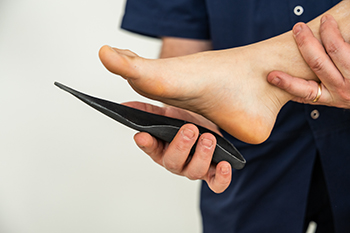
Diabetic foot problems can develop when diabetes affects circulation, nerve function, or the body’s ability to heal after an injury. Neuropathy may reduce sensation in the feet, making it harder to notice pressure, friction, or wounds. Symptoms include numbness, skin changes, or sores that heal slowly. Orthotics for the diabetic foot can help reduce pressure on vulnerable areas and improve weight distribution while walking. Proper foot support is especially important for people who have reduced sensation or a history of foot ulcers.
Several risk factors can increase the chance of developing diabetic foot complications. Poorly controlled blood sugar, peripheral neuropathy, and previous ulcers can make the feet more vulnerable to injury. Wearing tight or poorly fitting shoes can create repeated pressure that may damage the skin without causing noticeable discomfort. A podiatrist can identify these concerns through a foot examination, sensation testing, circulation assessment, and evaluation of walking patterns. Early care can help reduce the risk of serious wounds and support healthier daily mobility.
Custom orthotics may be designed to redistribute pressure away from areas at higher risk for irritation or skin breakdown. Shoe modifications are also important and may include extra-depth footwear, wider toe boxes, or customized cushioning. A podiatrist first examines the feet and identifies pressure points, deformities, or areas with reduced sensation. This foot doctor can then recommend appropriate orthotic support and footwear based on the patient’s needs.
Diabetic foot care does not stop with orthotics or footwear. Daily foot checks, proper hygiene, appropriate socks, and prompt attention to changes can help protect the skin. People with diabetes should avoid walking barefoot because unnoticed injuries can become serious. Orthotics and shoe modifications are most effective when they are part of an individualized diabetic foot care plan. If you have diabetic foot concerns, it is suggested that you are under the care of a podiatrist who can determine what type of orthotics are right for you.
Custom orthotics play an important role in preventing and treating foot and ankle injuries by providing personalized support that aligns with the unique structure of each foot. These specially designed devices help correct biomechanical imbalances, reduce pressure on sensitive areas, and improve stability during movement. When the feet are properly supported, the risk of developing conditions such as plantar fasciitis, Achilles tendinitis, and ankle sprains can be significantly reduced. Custom orthotics also help relieve discomfort caused by having flat feet, high arches, or uneven leg length, which may contribute to recurring injuries or pain.
Foot and ankle injuries can develop gradually from repetitive strain or occur suddenly during physical activity. Without proper treatment, these injuries can affect mobility and overall quality of life. Orthotics work to redistribute weight evenly across the foot, allowing joints and muscles to function more efficiently. This not only supports recovery from injury but can also prevent future problems by promoting better posture and alignment throughout the lower body.
Unlike over-the-counter inserts, custom orthotics are designed based on a detailed evaluation of each patient’s foot structure, gait, and medical needs. Podiatrists use advanced imaging and diagnostic tools to create orthotics that fit precisely and provide targeted correction. Whether used in everyday footwear or athletic shoes, custom orthotics can improve comfort, enhance performance, and support long-term foot health.
If you are experiencing foot or ankle pain or have sustained an injury that has not improved with rest, it is suggested that you schedule an appointment with a podiatrist. Call our office for more information or to make an appointment.
If you have any questions, please feel free to contact one of our offices located in Brighton, NY .


 accessibility - Default
