


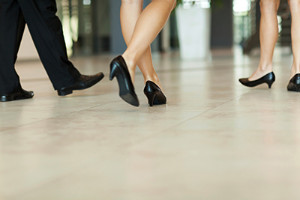
Many individuals earn their living by working as food servers, waiters, or waitresses. If you work as a food server, you are no doubt familiar with the fact that food servers spend the majority of the day working on their feet. Whether you are walking to and from the kitchen or carrying heavy dishes of food to tables, you spend a significant amount of the work day putting pressure on your feet. If you are not diligent about maintaining a foot care routine, you might be setting yourself up for a foot injury or condition. First, ensure that you are wearing the right kind of footwear on the job. Instead of wearing shoes with high heels that can increase your risk of falling during your shift, wear shoes with low, wide heels to provide stability. Second, since food servers spend such long amounts of time working on their feet, be sure to take the time you need to relax and pamper your feet. You may choose to give yourself a foot massage or to receive one professionally. These foot massages can relax muscles and ligaments in the feet, preventing tightening that could lead to injuries. Third, it is a good idea to be diligent about keeping your feet clean. For example, you might wash your feet to remove damaging bacteria, and pat them dry completely. Food servers ought to take the health of their feet seriously. If you work in the food service industry, contact a podiatrist to understand the best way to care for your feet.
While working on the feet, it is important to take the proper care of them. For more information about working on your feet, contact Massimo Pietrantoni, DPM from Rochester Podiatry, LLP. Our doctor will treat your foot and ankle needs.
Working on Your Feet
Standing on your feet for long periods of time can cause stress and pain in your feet. Your whole body may experience change in terms of posture, back pain, bunions, callouses and or plantar warts. There are ways to avoid these conditions with proper foot care, smart choices and correct posture.
Positive Changes
Negative heeled shoe – Choosing this shoe type places the heel slightly lower than the ball of the foot. These are great for overall foot health. Find shoes that fit you correctly.
Go barefoot – Our feet were not designed to be enclosed for all hours of the day. Try to periodically expose your feet to air.
Eliminate Pain
Foot Exercises – Performing simple exercises, incorporating yoga and doing stretches are beneficial. This will allow increased blood flow to the area and muscles of the foot.
Achilles tendon – Stretching the foot out flat on the floor will relax the calf muscles and tendon. These exercises can be performed almost anywhere. Make sure you add these exercises to your daily regimen.
With a little bit of this information and knowing more about foot health, you will notice changes. Foot stretches and proper footwear will help with pain and prevent further issues.
If you have any questions please contact one of our offices located in Brighton, NY . We offer the newest diagnostic and treatment technologies for all your foot and ankle needs.
Foot care is important regardless of your profession, but those who work on their feet must pay special attention. Bunions, calluses, blisters, and plantar warts are just a few of the many conditions that can arise after standing all day. While painful at their worst, these conditions can easily be avoided with the right foot care. This includes both appropriate footwear and proper posture—important elements that affect the health of your feet.
Choosing appropriate footwear means choosing a shoe that has a negative heel. This means that the heel is slightly lower than the ball of your foot, which places less of a strain. If you have a profession that requires you to be on your feet all day, investing in a pair of high-quality shoes is pertinent. High-quality shoes can be purchased from a respected manufacturer that emphasizes foot care and foot health.
Despite the regularity of wearing shoes, the feet are naturally not designed to be enclosed. Regular “barefoot” time for your feet can be beneficial for foot health. Among other methods, allowing your feet to breathe can help alleviate the pain and pressure your feet may be experiencing from being on your feet all day.
Simple foot exercises and yoga positions can help improve both the health and function of your feet. Active foot exercises that create movement will stimulate your foot’s blood flow and circulation, and yoga positions that place your feet flat onto the floor will stretch out their muscles. Yoga is particularly beneficial for your Achilles tendon and calf muscles, which are areas that can become especially problematic if not taken care of. Foot exercises and yoga positions can be easily performed every day at virtually any location and any time; whether it is at the office, at the gym, or at home right before you go to bed. Simple stretching can increase your foot health by miles.
The foot pain you experience after lengthy hours working on your feet may seem inevitable and unavoidable; in reality, however, that is not the case. Wearing proper footwear and performing simple foot exercises and stretches can help ease foot pain and allow you to truly avoid frustrating foot problems.
Your feet can easily be kept healthy with some education and a little effort. Pain that begins at the feet can eventually affect the whole body. Begin taking care of your feet now!
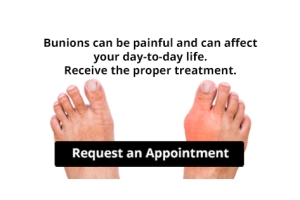
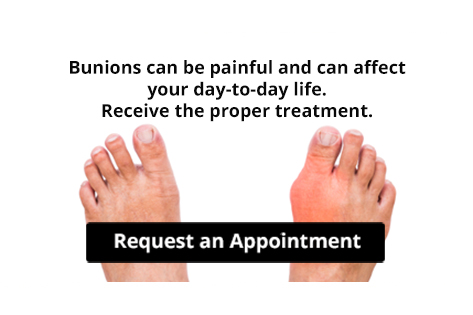
Have you noticed a bony protrusion on the side of your big toe? If so, you may have developed the foot condition known as a bunion. Don't let bunions interfere with your daily activities.

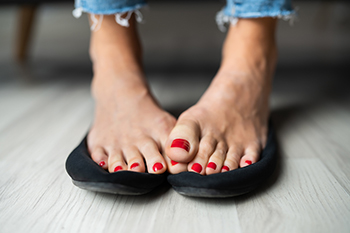
Most people experience sweaty feet from time to time, but excessive sweat under the feet can be a sign of plantar hyperhidrosis. Sweating is a part of our body’s way of cooling itself off and managing body temperature. Our feet have more sweat organs per inch than any other place in the body, and they can produce as much as half a quart of sweat per day. When it comes to controlling clammy feet, there are some things you can do for yourself and some things that might need medical attention. Cleanliness, shoes, socks, diet, and anxiety can influence how much your feet sweat. Hyperhidrosis is more common in men than women and in youth than grown-ups. If one has over the top sweating on their feet, it is likely that this happens to their palms as well. Feet that sweat too much may slip around inside of shoes. The feet might also have a whitish, wet appearance, and they may smell. These conditions are conducive to foot diseases, like a fungus. Adolescents are particularly sensitive about this ailment and the related foot odor at their age. To prevent sweaty feet, one should wash their feet regularly, dry them well, apply a moisturizer, and consider using antifungal powder or antiperspirant. Shoes should be rotated between use so that any moisture can dry out. Wearing shoes that are made of breathable material and fit well are imperative. Socks that wick moisture (cotton in warmer months and fleece or wool in cooler months) from the foot should be worn as well. Keep well hydrated. If regular foot care does not control your clammy feet, consult with a podiatrist who can provide additional suggestions for how to prevent and treat this annoying condition.
If you are suffering from hyperhidrosis contact Massimo Pietrantoni, DPM of Rochester Podiatry, LLP. Our doctor can provide the care you need to attend to all of your foot and ankle needs.
Hyperhidrosis of the Feet
Hyperhidrosis is a rare disorder that can cause people to have excessive sweating of their feet. This can usually occur all on its own without rigorous activity involved. People who suffer from hyperhidrosis may also experience sweaty palms.
Although it is said that sweating is a healthy process meant to cool down the body temperature and to maintain a proper internal temperature, hyperhidrosis may prove to be a huge hindrance on a person’s everyday life.
Plantar hyperhidrosis is considered to be the main form of hyperhidrosis. Secondary hyperhidrosis can refer to sweating that occurs in areas other than the feet or hands and armpits. Often this may be a sign of it being related to another medical condition such as menopause, hyperthyroidism and even Parkinson’s disease.
In order to alleviate this condition, it is important to see your doctor so that they may prescribe the necessary medications so that you can begin to live a normal life again. If this is left untreated, it is said that it will persist throughout an individual’s life.
A last resort approach would be surgery, but it is best to speak with your doctor to find out what may be the best treatment for you.
If you have any questions, please feel free to contact one of our offices located in Brighton, NY . We offer the newest diagnostic and treatment technologies for all your foot care needs.
Hyperhidrosis of the feet, also termed plantar hyperhidrosis, is characterized by excessive sweating of the feet that can be onset by any cause, such as exercise, fever, or anxiety. Most people suffering from hyperhidrosis of the feet also experience hyperhidrosis of the hands, or palmar hyperhidrosis. Approximately 1-2% of Americans suffer from this disorder.
Sweating is a healthy process utilized by the body in order to cool itself and maintain a proper internal temperature, which is controlled by the sympathetic nervous system. In individuals with hyperhidrosis, the sympathetic nervous system works in "overdrive", producing far more sweat than is actually needed.
Plantar hyperhidrosis is considered primary hyperhidrosis. Secondary hyperhidrosis refers to excessive sweating that occurs in an area other than the feet, hands, or armpits, and this indicates that is related to another medical condition, such as menopause, hyperthyroidism, or Parkinson's disease.
Symptoms of hyperhidrosis of the feet can include foot odor, athlete's foot, infections, and blisters. Because of the continual moisture, shoes and socks can rot which creates an additional foul odor and can ruin the material, requiring shoes and socks to be replaced frequently. In addition to the physical symptoms, emotional health is often affected as this disorder can be very embarrassing.
If left untreated, hyperhidrosis will usually persist throughout an individual's life. However, there are several treatment options available. A common first approach to treating hyperhidrosis of the feet is a topical ointment. Aluminum chloride, an ingredient found in antiperspirants, can be effective at treating hyperhidrosis if used in high concentration and applied to the foot daily. Some individuals can experience relief this way, while others encounter extreme irritation and are unable to use the product. Another procedure is the use of Botulinum Toxin A, commonly referred to as Botox. This is injected directly into the foot, and is effective at minimizing the sweat glands in the injected area. These injections must be repeated every 4 to 9 months.
If these treatments are ineffective, oral prescription medications may be taken in an effort to alleviate the symptoms. Again, some will experience relief while others do not. Going barefoot reportedly provides relief for most sufferers.
A final approach to combating hyperhidrosis of the feet is through surgery. Surgery has been less successful on patients with plantar hyperhidrosis than on those with palmar hyperhidrosis. It is only recommended when sweating is severe and other treatments have failed to work. This kind of surgery usually involves going into the central nervous system, and cutting nerves to stop the transmission of signals telling the foot to sweat.

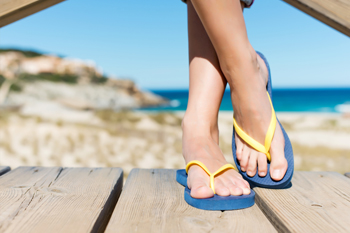
Despite their stylish appeal and popularity during the warm summer months, flip-flops can present several threats to the health of your feet. Since flip-flops lack a back strap, the wearer must scrunch their toes to keep the shoe on the feet. These toe contortions can cause pain and complications. Additionally, since flip-flops are but mere pieces of flat foam, they offer little to no support. You might, therefore, experience increased stress on the heel when walking with flip-flops because they offer no padding or cushioning. One often overlooked downside of wearing flip-flops is the extent to which they can accumulate bacteria. Especially if worn in cities, flip-flops can accumulate many different kinds of bacteria both on the top and bottom of the foam. If worn in cities during warm months and rainy seasons, environmental moisture will only help the bacteria thrive. Since flip-flops are open toed shoes that ultimately expose your entire foot, this accumulation of bacteria can be especially dangerous to your feet. Contact your podiatrist who will be able to help you select healthy summer footwear.
Flip-flops are not always the best choice of footwear. If you have any concerns about your feet or ankles, contact Massimo Pietrantoni, DPM from Rochester Podiatry, LLP. Our doctor will assist you with all of your foot and ankle needs.
Flip-Flops and Feet
When the weather starts warming up, people enjoy wearing flip-flops. Flip-flops are comfortable, stylish, and easy to slip on and off; they're perfect for any summer beach goer. However, these shoes can cause harm to the feet.
How Can Flip-Flops Affect Me Long-Term?
Are There Injuries Associated with Flip-Flops?
Yes. Since flip-flops are relatively weak and do not provide the same amount of support as sneakers, people who wear flip-flops regularly are more susceptible to injuries. On top of that, the open nature of the shoe makes your feet more prone to other problems, such as cuts and even infections. Common injuries and ailments include:
I like Wearing Flip-Flops. Are There Safe Alternatives?
When buying flip-flops, try to find ones that have sturdy soles and that are made of high-quality materials that will support for your feet. These flip-flops will cost more but will also last longer as a result.
If you have any questions, please feel free to contact one of our offices located in Brighton, NY . We offer the newest diagnostic and treatment technologies for all your foot care needs.
When the weather heats up, you may want to start wearing flip-flops. However, it has been proven that these are not the ideal shoes in terms of preserving the health of your feet.
Flip flops are known to expose your feet to different types of bacteria and fungal infections. When you wear your flip flops in public, you are exposing them to staphylococcus which is a skin-irritating bacterium. Athlete’s foot is also highly contagious and can be spread when you walk around nearly-barefoot.
Another harmful effect of wearing flip-flops is that they develop blisters on the feet. This is because the thin strap rubs against the skin with each step taken. Unfortunately, when blisters pop, they cause you to be more vulnerable to pathogens you pick up by having your feet exposed.
These shoes may also cause “shooting pains”. If you have flat feet, you need arch support to keep your knees, hips, and back in alignment. If you wear flat shoes, your joints are forced to compensate which can cause injuries throughout the body.
If you constantly wear flip-flops, you should avoid doing so as they can lead to many problems for your feet. If you are experiencing any of these foot issues, you should seek help from a podiatrist right away.

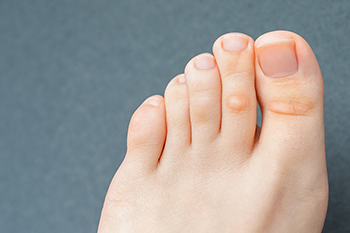
Corns are hard, callus-like growths that can develop on your feet. They usually develop in response to repeated pressure applied to a point on the foot, usually from ill-fitting or tight footwear. If you have corns on your feet, you should consult with a podiatrist to address the problem in the best possible way. In some cases, you might be able to remove the corn with a few at-home remedies. However, those with diabetes, circulatory disorders, and certain other conditions should never attempt to treat a corn by themselves. The most common way to remove corns involves soaking the feet in warm water for approximately ten minutes. This is done to soften the affected skin on the feet. After this step, you may be able to gently file down the outer layers of the corn by using a pumice stone or an emery board. However, it is important not to file excessively because you might end up injuring the deeper layers of the skin. There are also a variety of over-the-counter products that you might find useful in attempting to remove the corn on your feet. For example, you can use products such as lotions or scrubs that contain salicylic acid. This acid works to break down the corn. When in doubt, it is best to contact a trusted podiatrist who can help you determine the best way for the corn to be removed.
If you have any concerns regarding your feet and ankles, contact Massimo Pietrantoni, DPM of Rochester Podiatry, LLP. Our doctor will treat your foot and ankle needs.
Corns: What Are They? and How Do You Get Rid of Them?
Corns can be described as areas of the skin that have thickened to the point of becoming painful or irritating. They are often layers and layers of the skin that have become dry and rough, and are normally smaller than calluses.
Ways to Prevent Corns
There are many ways to get rid of painful corns such as wearing:
Treating Corns
Treatment of corns involves removing the dead skin that has built up in the specific area of the foot. Consult with Our doctor to determine the best treatment option for your case of corns.
If you have any questions, please feel free to contact one of our offices located in Brighton, NY . We offer the newest diagnostic and treatment technologies for all your foot care needs.
A corn is a lesion that forms in the skin of the foot, and it is typically circular in shape, small in size, and thick and rough in texture. A corn generally occurs as a result of repeated pressure on the skin; one example of this is the rubbing of a shoe against the skin. Corns differ from calluses in that their central cores are harder in texture.
A corn is a relatively common condition with a wide variety of treatment options. If a corn becomes overly uncomfortable or painful, consult with your podiatrist; he can determine the best method of treatment that is appropriate for you. Corns may return if the underlying cause of its development is not treated or removed. Avoid removing corns at home, as improper removal may cause infection.
A callus, similar to a corn, is an area of skin that has become thickened due to repeated pressure and rubbing. The rubbing causes the skin to create a layer of protective skin, which is the formed callus. Calluses can differ in size between people, and they can also become painful.
Multiple treatments are available for calluses. At-home treatment and removal should be avoided, as this can potentially lead to infection. Your podiatrist can best determine the cause of your calluses and suggest the treatment most appropriate for you.

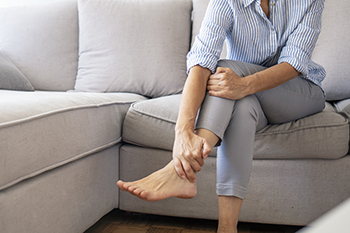
If you suffer from arthritis, you should know that you might be at an especially high risk of experiencing complications in your feet. For example, you may experience swelling and redness in the joints of your feet or you may even have severe pain when moving your feet. There are several things you can do by yourself at home to help manage the effects of arthritis and your feet. First, to treat swelling, you might consider applying an ice pack to the affected area of the feet. You might apply the ice for ten minutes, always being sure to use a towel to separate the pack from making direct contact with the skin. If your arthritis is making you experience plantar fasciitis in your feet, you might also consider rolling your feet over a water bottle. To do this, get a cold water bottle and roll the bottom of each foot back and forth over the bottle while sitting down. If you have arthritis, it is important to contact a podiatrist who can help you manage your condition.
Arthritis can be a difficult condition to live with. If you are seeking treatment, contact Massimo Pietrantoni, DPM from Rochester Podiatry, LLP. Our doctor can provide the care you need to keep you pain-free and on your feet.
Arthritic Foot Care
Arthritis is a joint disorder that involves the inflammation of different joints in your body, such as those in your feet. Arthritis is often caused by a degenerative joint disease and causes mild to severe pain in all affected areas. In addition to this, swelling and stiffness in the affected joints can also be a common symptom of arthritis.
In many cases, wearing ill-fitting shoes can worsen the effects and pain of arthritis. Wearing shoes that have a lower heel and extra room can help your feet feel more comfortable. In cases of rheumatoid arthritis, the arch in your foot may become problematic. Buying shoes with proper arch support that contour to your feet can help immensely.
Alleviating Arthritic Pain
It is best to see your doctor for the treatment that is right for your needs and symptoms. Conditions vary, and a podiatrist can help you determine the right method of care for your feet.
If you have any questions, please feel free to contact one of our offices located in Brighton, NY . We offer the newest diagnostic tools and technology to treat your foot and ankle needs.


 accessibility - Default