
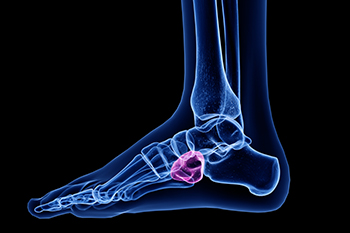
Cuboid syndrome occurs when the cuboid bone in the foot becomes misaligned or partially dislocated, often leading to pain along the outer edge of the foot. It is commonly seen in athletes who engage in activities that involve repetitive stress, jumping, or quick directional changes. The condition can develop suddenly after an ankle injury or gradually due to overuse. Symptoms may include aching, weakness, and difficulty bearing weight on the affected side. Diagnosing cuboid syndrome can be challenging because it may not show up on standard imaging studies. Podiatrists often rely on a physical examination, medical history, and specific manipulation tests to confirm the diagnosis. If you are an athlete and have pain in this part of your foot, it is suggested that you contact a podiatrist who can accurately diagnose and treat cuboid syndrome, allowing you to return safely to activity.
Cuboid syndrome, also known as cuboid subluxation, occurs when the joints and ligaments near the cuboid bone in the foot become torn. If you have cuboid syndrome, consult with Massimo Pietrantoni, DPM from Rochester Podiatry, LLP. Our doctor will assess your condition and provide you with quality foot and ankle treatment.
Cuboid syndrome is a common cause of lateral foot pain, which is pain on the outside of the foot. The condition may happen suddenly due to an ankle sprain, or it may develop slowly overtime from repetitive tension through the bone and surrounding structures.
Causes
The most common causes of cuboid syndrome include:
Symptoms
A common symptom of cuboid syndrome is pain along the outside of the foot which can be felt in the ankle and toes. This pain may create walking difficulties and may cause those with the condition to walk with a limp.
Diagnosis
Diagnosis of cuboid syndrome is often difficult, and it is often misdiagnosed. X-rays, MRIs and CT scans often fail to properly show the cuboid subluxation. Although there isn’t a specific test used to diagnose cuboid syndrome, your podiatrist will usually check if pain is felt while pressing firmly on the cuboid bone of your foot.
Treatment
Just as the range of causes varies widely, so do treatments. Some more common treatments are ice therapy, rest, exercise, taping, and orthotics.
If you have any questions, please feel free to contact one of our offices located in Brighton, NY . We offer the newest diagnostic and treatment technologies for all your foot care needs.
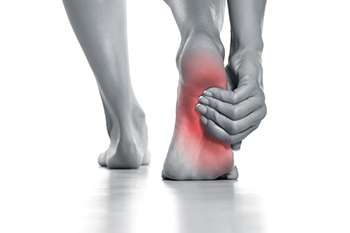
Heel pain is a frequent complaint that can make walking or standing difficult. One of the most common causes is plantar fasciitis, which involves irritation of the thick band of tissue along the bottom of the foot. Heel spurs, small bony growths, can also cause pain by pressing into soft tissue. Other causes include Achilles tendinopathy, bursitis, stress fractures, or nerve compression. Wearing poor footwear, flat feet, or sudden increases in activity often make symptoms worse. Pain may be sharp in the morning, dull by evening, or triggered by certain movements. Each cause requires a different approach to treatment, from rest and stretching to custom orthotics or medical care. Ignoring heel pain can lead to more serious problems, over time. If your heel pain is not improving, it is suggested you see a podiatrist for a diagnosis and appropriate treatment.
Many people suffer from bouts of heel pain. For more information, contact Massimo Pietrantoni, DPM of Rochester Podiatry, LLP. Our doctor can provide the care you need to keep you pain-free and on your feet.
Causes of Heel Pain
Heel pain is often associated with plantar fasciitis. The plantar fascia is a band of tissues that extends along the bottom of the foot. A rip or tear in this ligament can cause inflammation of the tissue.
Achilles tendonitis is another cause of heel pain. Inflammation of the Achilles tendon will cause pain from fractures and muscle tearing. Lack of flexibility is also another symptom.
Heel spurs are another cause of pain. When the tissues of the plantar fascia undergo a great deal of stress, it can lead to ligament separation from the heel bone, causing heel spurs.
Why Might Heel Pain Occur?
Treatments
Heel pain should be treated as soon as possible for immediate results. Keeping your feet in a stress-free environment will help. If you suffer from Achilles tendonitis or plantar fasciitis, applying ice will reduce the swelling. Stretching before an exercise like running will help the muscles. Using all these tips will help make heel pain a condition of the past.
If you have any questions, please feel free to contact one of our offices located in Brighton, NY . We offer the newest diagnostic and treatment technologies for all your foot care needs.

Blisters are a frequent problem for hikers and can quickly turn an enjoyable outing into a painful experience. Blisters form when friction causes the skin’s upper layers to separate, leading to a fluid-filled bubble that protects the damaged area underneath. Friction from wearing poorly fitting hiking boots, excessive moisture, or heat buildup can all contribute to blister formation on the feet and toes. Although many hikers attempt temporary fixes on the trail, proper medical care is imperative for preventing infection and promoting healing. A podiatrist can provide sterile treatment for blisters, which may include safely draining larger blisters under clean conditions, removing damaged skin when necessary, and applying sterile dressings to protect the area. If blisters have already caused deeper wounds or signs of infection, a podiatrist may recommend additional medical treatment or, in rare cases, surgery to prevent further complications. If you get blisters from walking, it is suggested that you schedule an appointment with a podiatrist for safe and sterile treatment.
Blisters are prone to making everyday activities extremely uncomfortable. If your feet are hurting, contact Massimo Pietrantoni, DPM of Rochester Podiatry, LLP. Our doctor can provide the care you need to keep you pain-free and on your feet.
Foot Blisters
Foot blisters develop as a result of constantly wearing tight or ill-fitting footwear. This happens due to the constant rubbing from the shoe, which can often lead to pain.
What Are Foot Blisters?
A foot blister is a small fluid-filled pocket that forms on the upper-most layer of the skin. Blisters are filled with clear fluid and can lead to blood drainage or pus if the area becomes infected.
How Do Blisters Form?
Blisters on the feet are often the result of constant friction of skin and material, usually by shoe rubbing. Walking in sandals, boots, or shoes that don’t fit properly for long periods of time can result in a blister. Having consistent foot moisture and humidity can easily lead to blister formation.
Prevention & Treatment
It is important to properly care for the affected area in order to prevent infection and ease the pain. Do not lance the blister and use a Band-Aid to provide pain relief. Also, be sure to keep your feet dry and wear proper fitting shoes. If you see blood or pus in a blister, seek assistance from a podiatrist.
If you have any questions, please feel free to contact one of our offices located in Brighton, NY . We offer the newest diagnostic and treatment technologies for all your foot care needs.
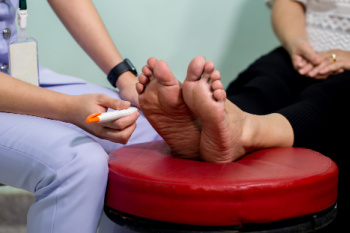
Neuropathy is a condition that affects the nerves, often causing pain, tingling, numbness, or weakness in the feet. It is commonly linked to diabetes, but can also result from injuries, infections, vitamin deficiencies, or exposure to certain toxins. Over time, damaged nerves can make it difficult to feel sensations or control muscle movement in the feet. Symptoms may begin subtly with a tingling or burning feeling, then progress to sharp pain, numbness, or a pins and needles sensation. Some people may also notice muscle weakness or a loss of balance. These symptoms can interfere with daily activities and increase the risk of foot injuries. A podiatrist can diagnose neuropathy through a physical exam and tests to assess nerve function. Treatment options include medication to manage pain, lifestyle recommendations, targeted exercises, and custom orthotics to support foot health and reduce pressure. Preventing further nerve damage is a key focus. If you have symptoms of this condition, it is suggested that you schedule an appointment to see a podiatrist for a diagnosis and appropriate treatment.
Neuropathy
Neuropathy can be a potentially serious condition, especially if it is left undiagnosed. If you have any concerns that you may be experiencing nerve loss in your feet, consult with Massimo Pietrantoni, DPM from Rochester Podiatry, LLP. Our doctor will assess your condition and provide you with quality foot and ankle treatment for neuropathy.
What Is Neuropathy?
Neuropathy is a condition that leads to damage to the nerves in the body. Peripheral neuropathy, or neuropathy that affects your peripheral nervous system, usually occurs in the feet. Neuropathy can be triggered by a number of different causes. Such causes include diabetes, infections, cancers, disorders, and toxic substances.
Symptoms of Neuropathy Include:
Those with diabetes are at serious risk due to being unable to feel an ulcer on their feet. Diabetics usually also suffer from poor blood circulation. This can lead to the wound not healing, infections occurring, and the limb may have to be amputated.
Treatment
To treat neuropathy in the foot, podiatrists will first diagnose the cause of the neuropathy. Figuring out the underlying cause of the neuropathy will allow the podiatrist to prescribe the best treatment, whether it be caused by diabetes, toxic substance exposure, infection, etc. If the nerve has not died, then it’s possible that sensation may be able to return to the foot.
Pain medication may be issued for pain. Electrical nerve stimulation can be used to stimulate nerves. If the neuropathy is caused from pressure on the nerves, then surgery may be necessary.
If you have any questions, please feel free to contact one of our offices located in Brighton, NY . We offer the newest diagnostic and treatment technologies for all your foot care needs.
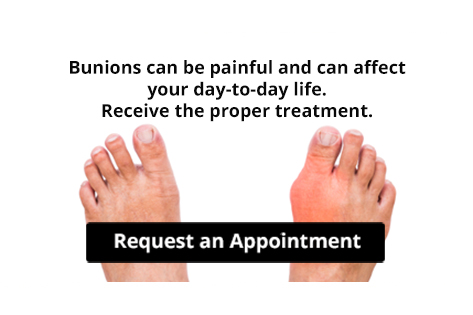
Have you noticed a bony protrusion on the side of your big toe? If so, you may have developed the foot condition known as a bunion. Don't let bunions interfere with your daily activities.


 accessibility - Default